
Blog
Worm Infection in Humans: Symptoms, Types, Causes & Treatment

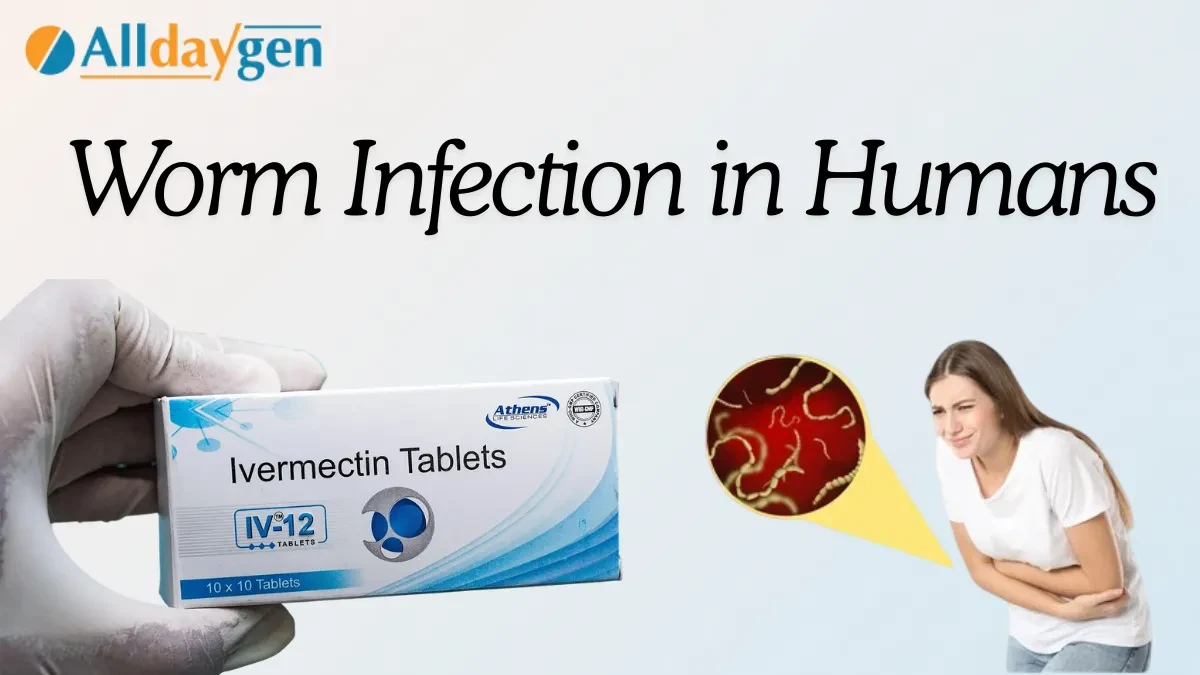
More people are infected with worms than the average person may think. Humans at some point in their life may experience a worm infection. Once infected, a person may experience serious negative health effects, especially on their digestive system, their nutritional status, or their overall health. These infections may even lead to death without proper treatment.
Recognizing the symptoms and causes of worm infections and the available treatment options will aid in the prevention of worsening cases of worm infection.
What is a worm infection?
A worm infection occurs when parasitic worms invade the body, especially the intestines, of a person. These parasitic creatures gain sustenance from the host’s nutrients. Countries with lower levels of health do provide more favorable conditions and environments for worms to easily invade and infect people.
While children may be the more susceptible of the group, due to their lack of adequate personal hygiene, everyone is at risk of a worm infection. Infections may be caused by contaminated food, undercooked animal proteins, direct interactions with infected animals, and contaminated soils.
Common types of worm infections
There are various worms that can invade and infect humans. Each of the worm types can bring with their own specific symptoms and health problems.
1. Roundworms
Roundworms are one of the most common forms of parasitic intestinal infections. They are also one of the easier to spread. They can invade people through contaminated watering sources and food. Many individuals may experience a worm infection and never know, while others may experience severe abdominal pain or other gastrointestinal symptoms like nausea.
2. Tapeworms
While most of these advanced incubating intestinal parasite infections present the same symptoms, some worms cause a person to perceive that they are losing weight, or at certain times, present with abdominal pain and discomfort. Tapeworms can grow to incredible lengths and widths of several feet and are caused by eating undercooked animal proteins, especially where pigs and certain classes of fish are the defined casing creatures.
3. Pinworms
Pinworms are particularly common among children because they are especially contagious. They are easily contracted by making contact with surfaces, clothes, and bedding that have been in contact with infected persons. The most characteristic symptom is nocturnal itching of the anus.
4. Hookworms
Hookworms, unlike many parasites, do not require contact with other infected persons. They can enter the body by direct contact with contaminated soil. These parasites have the potential to invade the bloodstream and even lead to anemia, weakness, and exhaustion.
5. Whipworms
Whipworms have the potential to invade the human intestines. They can enter the human body through the ingestion of contaminated food or even water. They can lead to extensive diarrhea and abdominal pain and even to weight loss.
Symptoms of Worm Infection in Humans
The type of parasite and the intensity of the infection will determine the symptoms that a person will present. While a person might present with no observable symptoms at all, some can have severe symptoms.
Common symptoms include:
- The presence of abdominal pain,
- The occurrence of constipation or diarrhea,
- Nausea or vomiting,
- The presence of gas and a bloated stomach,
- Loss of weight,
- Feeling weak and tired,
- Loss of appetite,
- Itching of the anus,
- Worms that are visible in stool,
- Skin rashes and irritation,
- Fever in severe cases
The presence of a worm infection in children can even affect their growth, concentration, and nutrition.
Causes of Worm Infections
Poor hygiene, poor sanitation, contamination, and exposure to parasitic infection can lead to infection.
Some of the more common causes include
Contaminated Food
Insufficiently cooked food, especially meat and fish, can significantly be the cause of parasitic infections. Unwashed contaminated vegetables can also contain the parasite.
Contaminated Water
Some water sources can even be contaminated with parasitic infections which can lead to gastrointestinal infections in the body.
Poor appearance when hand hygene occurs. The failure of proper hand washing before and after eating occurs during the transfer of worm eggs from everyone involved to everyone else.
Walking Barefoot
It is believed that hookworms may find their way into the body through the skin while walking barefoot especially on soil that has been contaminated.
Contact With Infected Animals
There is direct contact of parasites that carry the capacity to foster within humans through direct contact among livestock especially within the domestic reach and the family pets.
How Worm Infections Are Diagnosed?
Treating worm infection has its challenges and such challenges are highly relative to the hookworm, the ropeworm and certain other parasitic infections within the human realm.
These may include:
- Stool sample examination
- Blood tests
- Tape test for pinworms
- Imaging scans in severe cases
- Endoscopy for certain infections
The infection worsens the complexity and the costs in the medical sense and early diagnosis helps to treat on time.
Treatment for Worm Infection
The illness from most that is listed can fall on the broad category of parasitic infections and especially those with a high level of prevention. The elixir palliative in the form of assisted meals may promote economic construction and even improve family wellbeing.
FDA-Approved Antiparasitic Medications
Worm Type | Common Medications | Notes |
Pinworm | Mebendazole, Albendazole, Pyrantel pamoate | Single dose; repeat in 2 weeks |
Roundworm | Albendazole, Mebendazole | Highly effective |
Tapeworm | Praziquantel, Nitazoxanide | Often single dose |
Hookworm | Albendazole, Mebendazole | 3-day course |
Whipworm | Albendazole, Mebendazole | May need longer course |
Threadworm | Ivermectin (first-line), Albendazole | Follow-up testing required |
As a practioner, the measures of practice may fall on the broad policy of insurance for renewal. The illness in cases with dehydration combined with anemia and a marked deficiency in nutrition can result in an innovative and high level of personal inclusive construction.
Completing the full course of medication is critical even if symptoms disappear before the full course is done.
How to Prevent Worm Infections
Preventive measures are designed to counter food and environmental practices in the positive sense.
Here’s what you can do to stay safe:
– Wash your hands with soap and water.
– Make sure to cook meat and fish thoroughly.
– Wash fruits and vegetables before eating them.
– Drink filtered water.
– Don’t walk barefoot in contaminated areas.
– Keep fingernails trimmed and clean.
– Deworm your pets after vet-check recommendations.
– Keep sanitation routines at home.
Hygiene education for your children is also an important way to reduce the risk of transmitting intestinal worms.
Final Thoughts
Almost everyone will get a type of worm at some point in their lives. Some infections cause mild symptoms, and some can lead to serious health complications. If you see warning signs, get them treated before they become a greater nuisance.
Worm infections can be avoided with good hygiene, safe food practices, cooking, and frequent health checkups.