
Blog
PDE5 Inhibitors Explained: Uses, Differences and Safety

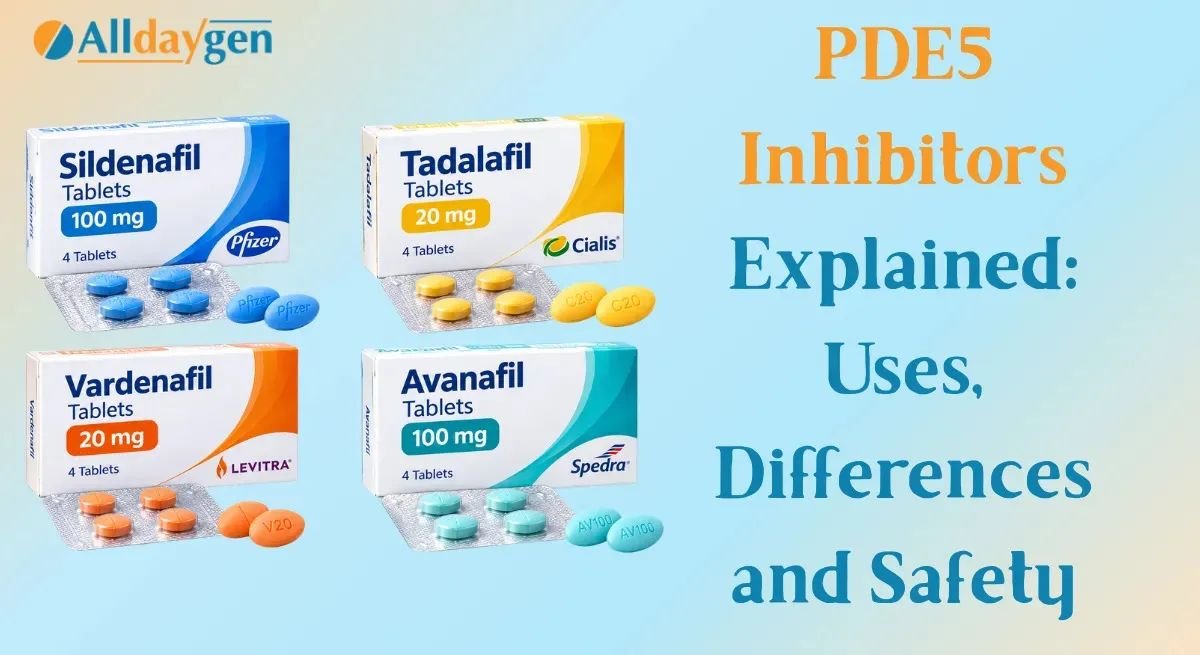
PDE5 inhibitors are well known medications to assist in the treatment of erectile dysfunction (ED) and other health conditions pertaining to sexual health. These medications work by improving blood flow, allowing men to achieve and maintain an erection when sexually aroused. A patient is sometimes given the option of many treatment choices. Understanding how the medications used work, their differences, and important safety considerations is vital to the patient to make a well informed decision.
Prescription PDE5 inhibitors are not the only source of interest. Natural PDE5 inhibitors have also gained popularity. It is important to understand that while there may be some natural ingredients which may support the use of prescription medications, they often do not have equal clinical support. The information in this guide is to provide an overview of PDE5 inhibitors and safety considerations.
What Are PDE5 Inhibitors?
PDE5 inhibitors are a class of medications that inhibit the enzyme PDE5. Cyclic guanosine monophosphate is broken down by the enzyme PDE5. By blocking PDE5, the breakdown is delayed, allowing cGMP to work to relax smooth muscles, including blood vessel smooth muscles. This allows for improvement of blood flow.
One of the important things to know is PDE5 inhibitors do not result in an erection automatically, and do not alter or increase sexual desire. Erection occurs due to the stimulation.
Prescription PDE5 inhibitors include sildenafil (brand name Viagra), tadalafil (brand name Cialis), vardenafil (brand name Levitra), avanafil (brand name Stendra), and udenafil (brand name Zydena). These medications are commonly prescribed to treat ED. Other medications in the same class are also prescribed to treat pulmonary arterial hypertension, which includes sildenafil and tadalafil.
Common Uses of PDE5 Inhibitors
PDE5 inhibitors are primarily associated with erectile dysfunction treatment. ED can have several causes, including diabetes, cardiovascular disease, stress, hormonal problems, and certain medications.
Depending on the specific drug and a patient’s medical needs, PDE5 inhibitors may help with:
- Erectile dysfunction: Improving the ability to achieve and maintain an erection during sexual activity.
- Pulmonary arterial hypertension: Certain PDE5 inhibitors help relax blood vessels in the lungs and reduce pulmonary blood pressure.
- Urinary symptoms related to an enlarged prostate: Tadalafil is also approved in some countries for managing symptoms associated with benign prostatic hyperplasia (BPH).
The appropriate medication depends on the diagnosis, medical history, other medicines being taken, and individual treatment goals.
Differences Between Common PDE5 Inhibitors
Although these medications share a similar mechanism of action, they differ in how quickly they work, how long their effects last, and how they interact with food.
1. Sildenafil
Sildenafil is a well-known treatment for erectile dysfunction. It typically begins working within 30–60 minutes, although individual responses vary. Its effects commonly last around four hours. A high-fat meal may delay its absorption.
2. Tadalafil
Tadalafil (Generic Cialis) Tablet is known for its longer duration of action, which can extend up to 36 hours. This provides a wider window for sexual activity rather than requiring the same degree of timing as shorter-acting options. Depending on the prescription, it can also be taken as a daily medication.
3. Vardenafil
Vardenafil is another prescription option for ED. It generally begins working within approximately 30–60 minutes and has a duration of action similar to sildenafil. Food, particularly a fatty meal, may affect how quickly it works.
4. Avanafil
Avanafil is a newer PDE5 inhibitor that may begin working in as little as 15–30 minutes for some people. Its relatively rapid onset can be useful for those who prefer a shorter waiting period.
No single medication is best for everyone. A healthcare professional can help determine the most suitable option based on effectiveness, tolerability, existing conditions, and personal preferences.
What Are Natural PDE5 Inhibitors?
The term natural PDE5 inhibitors is typically used to describe plants or other substances that are thought to be involved in the pathways that lead to erectile function and blood flow and have been used in traditional or folk medicine. There is limited scientific research into natural products, and the evidence for natural products is far less than for prescription medication.
Examples include:
- L-arginine: An amino acid that supports nitric oxide production, which helps blood vessels relax. Some research suggests it may improve erectile function in certain men.
- Panax ginseng: Also known as Korean red ginseng, it has been studied for its potential effects on sexual function, although the evidence remains limited.
- Ginkgo biloba: Sometimes promoted for circulation and sexual health, but reliable evidence supporting its effectiveness for ED is insufficient.
It is important to understand that these ingredients are not necessarily proven PDE5 inhibitors in humans. Their proposed mechanisms and clinical benefits vary, and they should not be considered equivalent to prescription treatments.
Before using any natural supplement, consult a healthcare professional, particularly if you take medication or have an existing medical condition. Some sexual enhancement supplements have been found to contain undeclared pharmaceutical ingredients that can pose serious health risks.
PDE5 Inhibitor Safety: What You Should Know
PDE5 inhibitors are generally well tolerated when appropriately prescribed, but they are not suitable for everyone. Understanding possible side effects and drug interactions is essential before starting treatment.
Common side effects include:
- Headaches and facial flushing
- Nasal congestion
- Indigestion or stomach discomfort
- Dizziness or a drop in blood pressure
- Muscle aches or back pain, particularly with tadalafil
- Temporary visual changes with some medications
Important safety warning:
PDE5 inhibitors must not be combined with nitrate medications, such as nitroglycerin, because the combination can cause a dangerous drop in blood pressure. People taking alpha-blockers, certain heart medications, or other interacting drugs should discuss treatment with their healthcare professional.
Seek emergency medical attention for an erection lasting more than four hours or sudden changes in vision or hearing after taking an ED medication. Never exceed the prescribed dose or combine different ED medications without medical advice.
Can Lifestyle Changes Support Erectile Function?
Medication is just one part of managing erectile dysfunction (ED). Making a few healthy lifestyle changes can also help improve blood flow, support heart health, and enhance overall sexual well-being.
Try to stay physically active, eat a balanced diet, get enough sleep, and find healthy ways to manage stress. If you smoke, quitting may help, too. Cutting back on alcohol and keeping conditions like diabetes and high blood pressure under control can also make a difference.
If erection problems continue, it’s a good idea to speak with a healthcare professional. ED can sometimes be a sign of an underlying health condition, and a medical evaluation can help identify the cause and determine the most suitable treatment for you.
Conclusion
PDE5 inhibitors offer an established treatment option for erectile dysfunction, with sildenafil, tadalafil, vardenafil, and avanafil differing mainly in onset, duration, and individual tolerability. Natural PDE5 inhibitors and related supplements may appeal to people seeking alternative approaches, but their effectiveness and safety are not as well established.
The best approach is to consider evidence-based treatment, review potential drug interactions, and speak with a qualified healthcare professional before using prescription medications or natural supplements. Informed decisions can help support safer treatment and better long-term sexual health.