
Blog
Why Is Ejaculation So Pleasurable?


Ejaculation is usually described as the peak of satisfaction in a sexual encounter for many people. It’s a natural part of the sexual response cycle. But have you ever asked yourself why it can be so satisfying? It’s actually a combination of your reproductive system and many other body systems.
Ejaculation is the final stage of a multi-stage process of sexual arousal during which nerve signals travel from the genitals, through the spinal cord, and to the brain. Pleasure and relaxation signals, along with a series of brain chemicals, are released in the brain and throughout the body minutes before ejaculation.
Now how does the process work in the body and brain?
Nerve Signals Create Pleasurable Sensations
One reason why ejaculation feels good is the concentration of nerve endings in the genitals. During the activity of pleasure, nerve endings respond to stimuli by perceiving touch, friction, and movement, among others.
The stimulation signals travel to the spinal cord and brain. Increased arousal results in a pleasure response in the brain. The glans of the penis is so rich in nerve endings that it can be responsible for a large portion of the pleasure during the sexual response cycle.
Intense nerve signals indicate to the brain that ejaculation is imminent. As a result, the brain responds with an intense pleasure response, which is the classical definition of orgasm.
This communication between the brain and genitals is the sexual response. Without these nerve signals, physical stimulation has a reduced pleasure response.
Release of Feel-Good Brain Chemicals
The brain responds to both sexual activity and orgasm with changes in numerous neurotransmitters and hormones.
One of these neurotransmitters is†dopamine*. In the brain’s reward center, the active state of the reward system during sexual arousal explains why people find repeated pleasure from the same activity, in this case, sexual activity.
Another chemical involved is *oxytocin*. Intimate activities release it and help create a sense of closeness and relaxation.
Finally, the contractions of pleasurable muscles throughout the body from the tension created during arousal generate a sense of relaxation and calmness once the arousal subsides.
There are many reasons why ejaculation causes pleasure and feels rewarding.
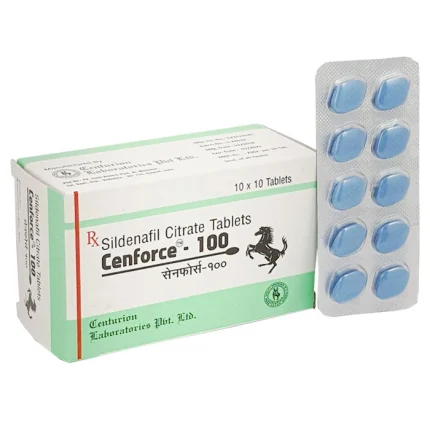
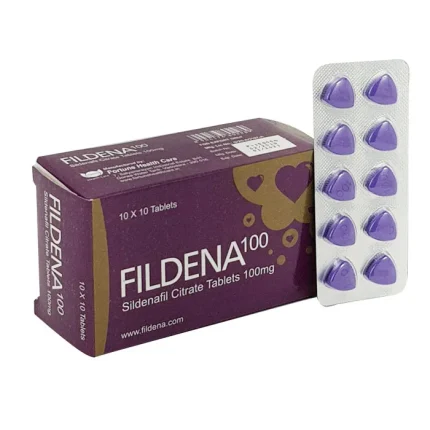
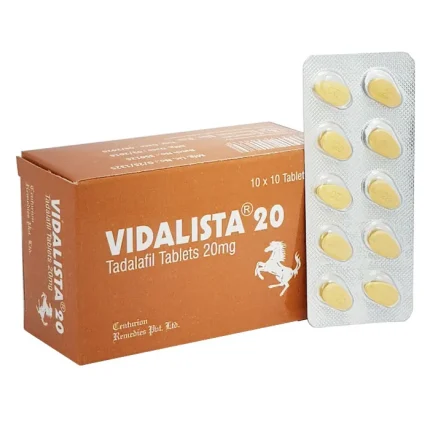
Save Up to 80% on ED Pills at Alldaygen

Rhythmic Muscle Contractions
Ejaculation not only happens in the penis, but is actually the result of several muscles contracting in a specific and timed pattern to move and release semen out of the body.
The muscles contract all along the reproductive and urinary tract and around the base of the penis.
some neurotransmitter and hormone names were changed; however, the function of the neurotransmitter was left unchanged.
At the same time these contractions build towards orgasm, they become pleasurable for the brain by increasing the number of pulses.
These contractions require a lot of anticipation, and when the muscles of the pelvic floor properly contract it makes the orgasm more enjoyable. It can feel like multiple orgasms or build more like waves instead of just a single one.
Release of Built-Up Sexual Tension
Being SEXUALLY aroused is a gradual increase. One’s heart rate and breathing increase, and the muscles may become even more tense. There is also an increase of blood flow in the genitals.
Jaculation and orgasm is the body’s natural mean’s to get from being TENSED to relaxed.
The changes which can be seen from being highly sexual aroused to relaxed is what makes this process very pleasurable.
When you ejaculate, the muscles relax, the breathing becomes slower, and the body reaches a very relaxed state, which is sometimes called the refractory or recovery period, particularly in males.
Why Does Ejaculation Sometimes Feel Less Pleasurable?
There are many factors that play a role in the enjoyment of ejaculation. Some of these factors are Physical, Emotional, and Lifestyle factors.
Being overtired or stressed and anxious may not allow the relaxation to fully happen and may make reaching pleasure difficult. Performance anxiety or even relationship issues may have similar effects.
Being physically fatigued may also have an effect on how much one enjoys sex.
Certain substances and alcohol can impair nerve function, blood flow and sexual response. While initial feelings of relaxation may be present, excessive alcohol intake can diminish the orgasm.
Some medications can affect sexual function as well. Some antidepressants as well as other medications can decrease sexual desire, delay ejaculation, or make the orgasm less pleasant.
Changes in sexual stimulation can also be important, where if stimulation is repetitive, too intense, or outside what someone typically enjoys, it can be less satisfying even with orgasm.
Several other aspects can affect the sensations of sexual activity and orgasm, including pelvic health as well as age and hormone and health related changes. If someone notices a change in the way they orgasm or ejaculate, they should speak to their healthcare professional to determine possible causes.
Conclusion
The answer to why ejaculation feels good is the result of several systems interacting. Sensory nerves communicate what is happening in the genitals, the pleasure center of the brain becomes active, pleasure chemicals are released, and there is a build up of contractions in the pelvic muscles that builds sensation.
The relief of built up sexual tension is one of the many reasons orgasm is such a relaxing experience.
Everyone’s orgasm is experienced differently. How good an orgasm feels is impacted by their stress level, their health, medications, emotional wellbeing, fatigue, and several other external factors.
People are often more comfortable with something if they understand how it works. Knowing about ejaculation can help people understand their own body and that variations in pleasure during sex are normal. If there are changes to ejaculation where it becomes painful or if there are other concerning symptoms that accompany ejaculation, it is always advisable to have a healthcare professional evaluate it.