
Blog
Parasite Cleanse: Does It Really Work?

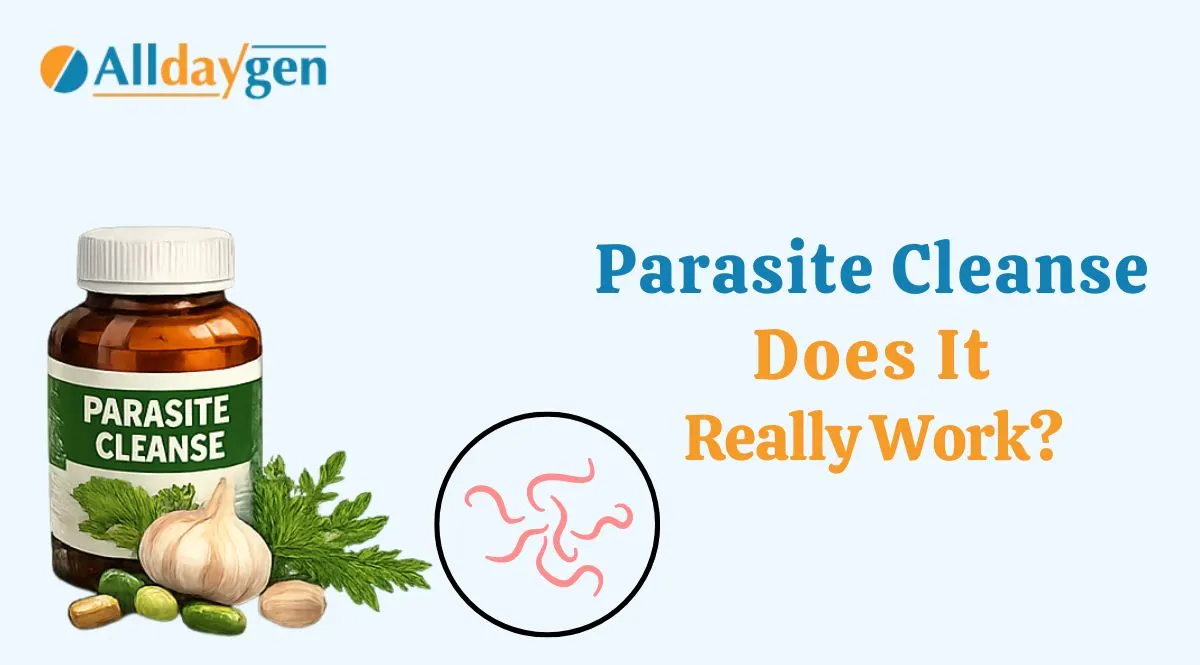
Social media and wellness web pages claim that using parasite cleanses can improve digestion, boost energy, and remove toxins from the body. Unfortunately, scientific evidence backing the effectiveness of these products is very limited. If you do have parasites, the best course of action is to visit a medical professional for clinical treatment instead of relying on some sort of herbal detox or cleanse.
This article will address what cleanses are, the instances when parasites can get you sick, and whether or not these cleanses should be used.
What Is a Parasite Cleanse?
A parasite cleanse can be described as a diet, set of supplements, or herbal regimen that claim to eliminate intestinal parasites. Some of the more common ingredients of these products are:
- Walnuts
- Wormwood
- Cloves
- Garlic
- Oregano oil
- Pumpkin seeds
- Papaya seeds
These products may also instruct you to cut sugar, processed foods, dairy, and gluten from your diet and to eat more fiber and drink more water.
While some of these herbs may have some laboratory effect on parasites, there is a large lack of evidence to support that parasite cleanses are effective for removing parasites from humans.
The Need for Parasite Cleanses
The tendency for celebrity culture to prioritize health and wellness has made parasite cleanses fashionable with parasite cleansing moving to the forefront of detox. While some people genuinely believe that they suffer from an affliction of hidden parasites, others, especially those using parasite cleanses for detox, have no idea why they are using parasites cleanses. Bloating, fatigue, and other gastrointestinal issues have led them to conclude that they have hidden parasites. However, the truth is that the aforementioned health issues stem from other causes including:
- IBS
- Food intolerances
- Acid Reflux
- Constipation
- Anxiety and Stress
- Bad eating habits
The only way you will eventually know if you do have parasites is to undergo testing.
Intestinal Parasite Symptoms
Many people live normal lives without symptoms even with a parasitic infection. The following are some of the more commonly known signs that you may be infected with a parasite:
- Chronic diarrhea
- Abdominal pain and cramping
- Bloating
- Weight loss that is not intentional
- Chronic fatigue
- Decreased appetite
- Pinworm infection and anal itching
- Stool with blood and mucus
- Long term infection and malnutrition
Some parasitic infections can be very serious and life threatening especially for children, older adults, pregnant women, and those with weakened immune systems.
what if I don’t have symptoms but suspect I have a parasite?
With the global rise in media about parasites, it’s only natural to think you have one, but don’t worry, they aren’t as common.
In developed countries, they aren’t as common, and you likely won’t get a parasite if you didn’t:
- travel to countries with a lack of modern sanitation
- drink contaminated water
- eat undercooked or raw meat and fish
- spend time with a person who has parasites
- come in contact with contaminated soil or animal feces
Parasite cleanses are unlikely to help if you don’t have symptoms and haven’t done any of the above. If you’re really concerned about parasites, please go to a doctor, and don’t try to self-diagnose.
How to Diagnose a Parasitic Infection
Doctors are able to pursue a diagnosis if you have a parasite based on symptoms and a handful of tests. Some of the tests they may do are:
- Stool examination: A stool sample may be examined to check if any eggs or organisms of a parasite are present.
- Blood tests: A blood sample may be examined to check if there are reactive parasites.
- Imaging tests: CT scans or MRIs may be done to check if parasites are in other organs beyond the intestines.
- Endoscopy or colonoscopy: They may examine your intestines using a scope.
Getting an accurate diagnosis is an important step in receiving appropriate treatment and avoiding taking unnecessary supplements.
Parasite cleanses are not a good option for healthy people.
Some herbs may exhibit some lab-based activity against parasites. However, those herbs are not a way to eliminate parasites in people.
If you happen to have parasites, your doctor will prescribe you an effective treatment like one of the following:
- Albendazole 400mg
- Mebendazole 500
- Ivermectin 12 mg
- Metronidazole
- Praziquantel
Each of those medications is used to treat a specific parasite and is much more effective than a cleanse.
Some herbal cleanses can even cause negative side effects like:
- nausea
- diarrhea
- liver damage
- adverse drug reactions
and can also cause drug interactions.
Parasite cleansing is not advisable in any population.
There are a few things you can do to decrease your risk of a parasitic infection. They are all very easy.
- Wash your hands.
- Drink clean water.
- Cook meat and seafood.
- Wash produce.
- Wear shoes.
- Don’t drink swimming water.
- Be cautious with food when traveling.
THE BOTTOM LINE: DO PARADE CLEANSINGS HAVE ANY BENEFIT?
Parasite cleansings started trending recently, and like many holistic health remedies, they have little backing in scientific communities. Most ailments are not caused by parasitic animals.
Instead of attempting a parasite cleanse, you should go see a medical professional and get appropriate tests if you really believe you have a parasite. If you do have one, you will get prescribed medication to remove the parasite.